
Selenium was discovered in 1818 by Jöns Jacob Berzelius, a Swedish chemist. The name selenium is derived from the Greek word “selene”, meaning ‘moon’ in opposition to the Latin word “tellus”, meaning for ‘earth’ (Perrone et al., 2015).
Selenium exists in different chemical forms or species, which determine its bioavailability, functional role and toxicity to human health. Different foods have different forms of selenium at different levels.
Hence, chemical forms of selenium can mainly be classified as follows:
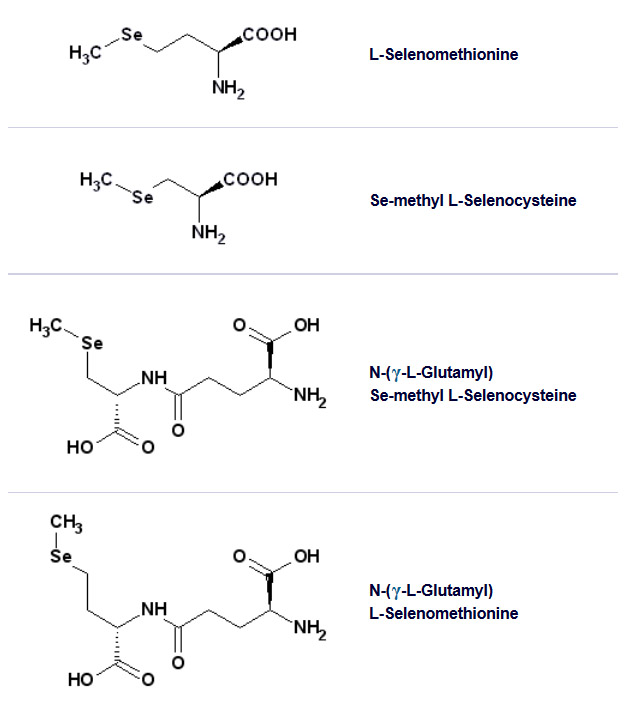
As the physiology or the biochemistry of organic selenium is mediated basically by its incorporation into selenoproteins, understandably, in most of the plants selenium is predominantly present in the form of selenoaminoacids, viz. selenomethionine and methylselenocysteine (Sneddon, 2012; Perrone et al., 2015).
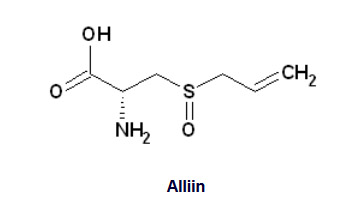
Followings are the organic bioavailable forms of selenium present in Garlic